
What Makes IBC9 Singapore Easier to Use for First-Time Visitors
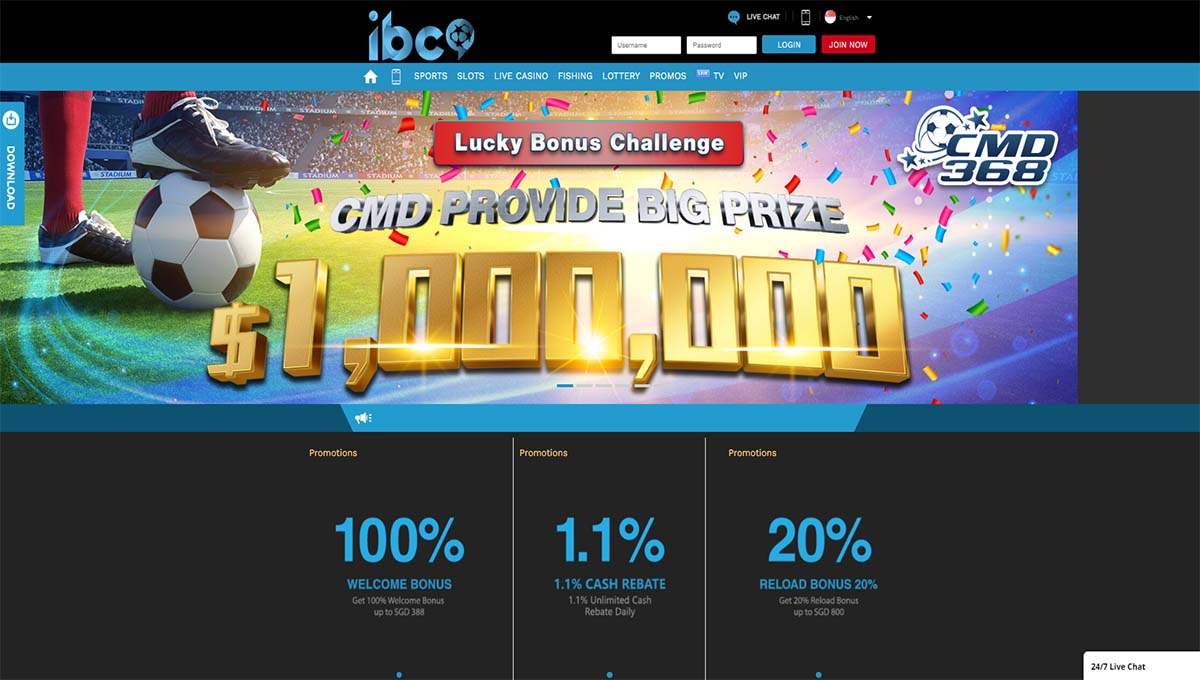
First impressions often determine whether a user continues exploring a digital platform or leaves after only a few minutes. For first-time visitors, usability plays a critical role in shaping that decision. A platform that feels intuitive and easy to understand can quickly build confidence, while a confusing experience may create unnecessary barriers.
In today’s digital landscape, users expect platforms to be accessible, responsive, and simple to navigate from the moment they arrive. They want to find information quickly, understand available features, and complete actions without extensive guidance.
For IBC9 Singapore, ease of use is closely connected to how effectively the platform supports new users during their initial interactions. Several factors contribute to creating a positive first-time experience and encouraging continued engagement.
Why First-Time User Experience Matters
A platform only has a limited opportunity to make a positive impression. New users often evaluate usability within the first few minutes of interaction.
If navigation feels complicated or important information is difficult to find, users may question the overall quality of the platform.
Benefits of a Strong First-Time Experience
Faster User Adaptation
New visitors learn how the platform works more quickly.
Increased Confidence
Users feel comfortable exploring available features.
Reduced Frustration
Clear pathways help users avoid confusion.
Better Retention Potential
Positive early experiences encourage users to return.
These factors highlight why usability is especially important for first-time visitors.
Clear Navigation Reduces Learning Time
One of the most effective ways to support new users is through well-structured navigation. Visitors should be able to understand where they are and how to access key sections without needing detailed instructions.
An intuitive structure helps users focus on their objectives rather than figuring out how the platform operates.
Characteristics of Effective Navigation
- Logical menu organization
- Clear category labels
- Consistent page layouts
- Easy access to important features
- Predictable navigation paths
- Minimal unnecessary complexity
These elements reduce the learning curve and improve usability.
Accessibility Helps New Users Feel Comfortable
Accessibility extends beyond technical considerations. For first-time visitors, accessibility often means how easily they can interact with the platform regardless of device or browsing preference.
A platform that accommodates different usage habits creates a more welcoming experience.
Accessibility Features That Support New Users
Responsive Design
Content adapts smoothly to different screen sizes.
Readable Layouts
Information is presented clearly and logically.
Mobile Compatibility
Users can access the platform conveniently from smartphones.
Consistent User Interface
Design elements remain familiar across sections.
These factors contribute to a smoother onboarding experience.
Discover more: Mengapa Kemudahan Navigasi Menjadi Nilai Tambah di BP9 Indonesia
Comparing Helpful and Challenging First-Time Experiences
The difference between a user-friendly platform and a difficult one often becomes apparent during the first session.
| User-Friendly Experience | Challenging Experience |
|---|---|
| Clear navigation structure | Confusing menu hierarchy |
| Quick access to features | Excessive navigation steps |
| Consistent page layouts | Inconsistent design patterns |
| Easy information discovery | Difficult content location |
| Fast adaptation for new users | Longer learning process |
| Positive first impression | Higher risk of abandonment |
This comparison demonstrates why usability plays such a significant role in user retention.
Responsive Performance Builds Trust
Performance affects how users perceive quality. Even a visually appealing platform can leave a negative impression if pages load slowly or interactions feel delayed.
New users often associate responsiveness with professionalism and reliability.
Performance Elements That Matter
Fast Loading Times
Users can access information without unnecessary waiting.
Smooth Page Transitions
Navigation feels more natural and efficient.
Reliable Functionality
Features work as expected from the beginning.
Consistent Performance
The experience remains stable throughout the session.
Performance contributes directly to user confidence.
Simplicity Often Outperforms Complexity
Many platforms attempt to impress users by offering extensive functionality. However, first-time visitors usually appreciate simplicity more than feature quantity.
Users prefer clear and efficient experiences that help them achieve their goals quickly.
Why Simplicity Matters
Easier Understanding
Users can navigate without extensive guidance.
Faster Decision-Making
Important information is easier to locate.
Reduced Cognitive Load
The platform feels less overwhelming.
Better Accessibility
A simpler structure benefits a broader audience.
Simplicity often serves as the foundation of effective usability.
Mobile Usage Has Changed User Expectations
Many users now access digital platforms primarily through mobile devices. As a result, first-time experiences must be optimized for smaller screens and touch-based interactions.
A poor mobile experience can negatively affect user perception regardless of how well the desktop version performs.
Mobile Priorities for New Users
- Fast loading speed
- Responsive layouts
- Easy-to-use navigation menus
- Readable content presentation
- Consistent functionality
- Smooth interaction flow
Mobile optimization is now a fundamental usability requirement.
How Familiar Design Patterns Improve Comfort
Users often feel more comfortable when a platform follows familiar design conventions. While innovation can be valuable, completely reinventing standard navigation patterns may create confusion.
Examples of Familiar Design Elements
Standard Menu Placement
Users know where to look for navigation.
Consistent Icons
Common symbols improve recognition.
Predictable Layouts
Users quickly understand page structure.
Logical Information Hierarchy
Content is organized according to user expectations.
Familiarity reduces uncertainty and encourages exploration.
Long-Term Benefits of a Positive First Impression
Platforms that successfully support first-time visitors often experience stronger retention and engagement over time.
When users feel comfortable from the beginning, they are more likely to continue interacting with the platform.
Key Advantages
Higher User Satisfaction
Positive experiences improve overall perception.
Increased Retention
Users are more likely to return.
Stronger Trust
Reliable interactions build confidence.
Better Engagement
Users explore more features and content.
These benefits demonstrate why first-time usability deserves significant attention.
Conclusion
Creating a positive experience for first-time visitors requires more than an attractive design. Users expect intuitive navigation, responsive performance, mobile accessibility, and a platform structure that feels easy to understand from the start.
IBC9 Singapore supports these expectations by emphasizing usability and convenience throughout the user journey. Through clear navigation, accessible design, and responsive functionality, the platform helps new visitors become comfortable quickly and engage more confidently. In an increasingly competitive digital environment, these factors play a crucial role in shaping long-term user satisfaction.