
What Factors Help Build User Confidence in BP77 Singapore
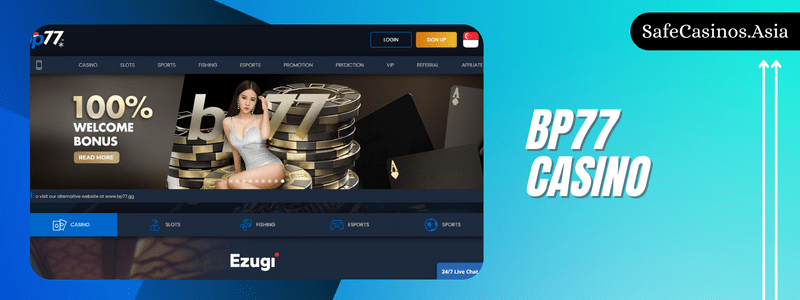
User confidence is one of the most valuable assets any digital platform can develop. While attracting visitors may depend on visibility and marketing efforts, maintaining long-term engagement often depends on trust. Users are more likely to return to platforms that consistently meet expectations and provide reliable experiences.
Confidence is not built through a single feature or interaction. Instead, it develops gradually through a combination of performance, usability, accessibility, and consistency. Every interaction contributes to how users perceive the platform over time.
For BP77 Singapore, user confidence is closely linked to the quality of the overall experience. Understanding the factors that influence trust can help explain why some platforms maintain strong engagement while others struggle to retain users.
Why User Confidence Matters
When users trust a platform, they feel more comfortable navigating features, spending time on the platform, and returning regularly. Confidence reduces hesitation and creates a stronger sense of familiarity.
Without confidence, even well-designed platforms may struggle to retain users in the long term.
Benefits of Strong User Confidence
Higher User Retention
Confident users are more likely to return.
Increased Engagement
Users interact more frequently with available features.
Better User Satisfaction
Reliable experiences create positive perceptions.
Stronger Platform Reputation
Trust contributes to long-term credibility.
These outcomes demonstrate why confidence is essential for sustainable growth.
Discover more: What Makes MB8 Singapore Appealing to Long-Term Digital Users
Consistent Performance Creates Trust
One of the most important contributors to user confidence is consistent performance. Users expect a platform to function reliably every time they access it.
When performance remains stable, users develop predictable expectations that strengthen trust.
How Consistent Performance Helps
- Reduces unexpected disruptions
- Improves reliability perceptions
- Creates a smoother user experience
- Supports daily platform usage
- Minimizes frustration
- Encourages repeat visits
Consistency often matters more than occasional performance peaks.
Accessibility Supports User Confidence
Accessibility influences confidence because it affects how easily users can interact with a platform. If access becomes difficult or inconsistent, confidence can decline quickly.
Users want to know that they can access important features whenever needed.
Accessibility Features That Build Trust
Cross-Device Compatibility
Users can switch devices without complications.
Responsive Design
Layouts adapt effectively across screen sizes.
Reliable Access
Important functions remain available when needed.
Consistent Experience
Interactions remain familiar regardless of device.
Accessibility creates a sense of dependability that users value.
Comparing High-Confidence and Low-Confidence User Experiences
The difference between a trusted platform and a less trusted one often comes down to everyday interactions.
| Factors That Build Confidence | Factors That Reduce Confidence |
|---|---|
| Consistent performance | Frequent interruptions |
| Reliable accessibility | Unpredictable access issues |
| Clear navigation | Confusing user journeys |
| Stable functionality | Inconsistent feature behavior |
| Fast response times | Slow platform performance |
| Predictable experiences | Unexpected usability issues |
These differences can significantly influence user perception over time.
Clear Navigation Improves Confidence
Users feel more comfortable when they can easily find information and complete tasks without confusion. Navigation plays an important role in establishing that comfort level.
A well-organized platform reduces uncertainty and supports more efficient interactions.
Why Navigation Matters
Faster Information Discovery
Users quickly find what they need.
Reduced Frustration
Less time is spent searching for features.
Improved User Control
Users understand where actions will lead.
Greater Familiarity
Navigation becomes easier through repeated use.
These benefits help create a more positive overall experience.
Transparency Enhances User Perception
Transparency is another important factor in building confidence. Users appreciate platforms that communicate clearly and avoid unnecessary complexity.
Transparency does not only refer to policies or information. It also applies to platform behavior and interface design.
Elements of Transparency
- Clear navigation structures
- Understandable feature organization
- Predictable workflows
- Consistent platform behavior
- Straightforward access to information
- Reduced ambiguity in user interactions
Transparent experiences often feel more trustworthy.
Reliability Matters More Over Time
New users may initially focus on appearance and available features, but experienced users often place greater importance on reliability.
As familiarity increases, users evaluate a platform based on how consistently it performs over weeks or months.
Long-Term Reliability Indicators
Stable Performance
The platform functions smoothly across sessions.
Dependable Accessibility
Users can access services whenever needed.
Consistent User Experience
Interactions remain predictable over time.
Functional Stability
Features perform as expected.
Reliability becomes a key foundation of long-term trust.
The Role of Speed and Responsiveness
Platform responsiveness influences confidence because it reflects technical quality and attention to user experience.
Slow performance can create doubts about overall reliability, even when features work correctly.
Performance Characteristics Users Appreciate
- Fast page loading
- Quick feature response
- Smooth navigation transitions
- Stable operation during peak usage
- Efficient mobile performance
- Minimal delays during interaction
Responsive experiences often feel more professional and dependable.
How Confidence Leads to Retention
Confidence influences user behavior in measurable ways. When users trust a platform, they are more likely to remain engaged and continue returning.
Benefits of Higher User Confidence
Stronger Loyalty
Users are less likely to explore alternatives.
Greater Engagement
Interactions become more frequent.
Better User Satisfaction
Reliable experiences create positive impressions.
Long-Term Retention
Users maintain ongoing relationships with the platform.
These outcomes demonstrate the practical value of building trust.
Conclusion
User confidence develops through a combination of reliability, accessibility, transparency, and consistent performance. While no single feature can guarantee trust, the overall user experience plays a major role in shaping perceptions over time.
BP77 Singapore benefits from focusing on factors that help users feel comfortable and confident during every interaction. Through stable performance, intuitive navigation, responsive design, and reliable accessibility, the platform supports an experience that encourages long-term engagement. As user expectations continue to rise, confidence will remain one of the most important drivers of digital platform success.